The Future of Smart Living: How Technology Is Reshaping Modern Homes
Introduction
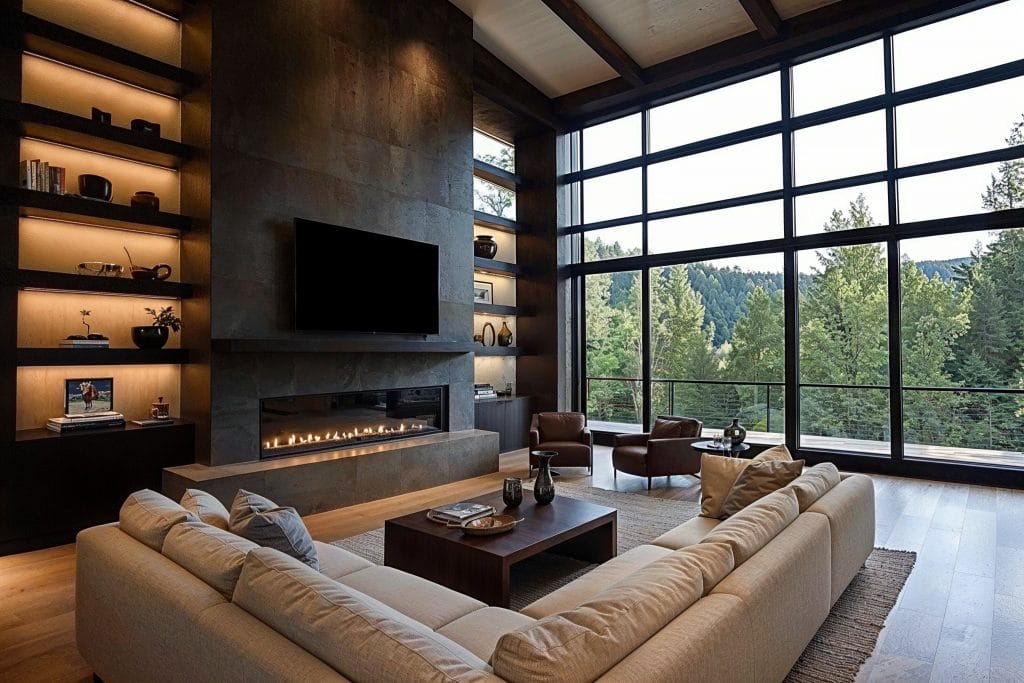
Smart living is no longer a concept of the future—it is a rapidly evolving reality. Advances in home automation, artificial intelligence, and connected devices are fundamentally changing how people live, interact with their homes, and manage daily routines. Modern homes are becoming more efficient, secure, and personalized than ever before.
What Defines a Smart Home Today?
A smart home integrates technology to automate and optimize everyday functions. These systems typically include:
- Intelligent lighting and climate control
- Voice-activated assistants
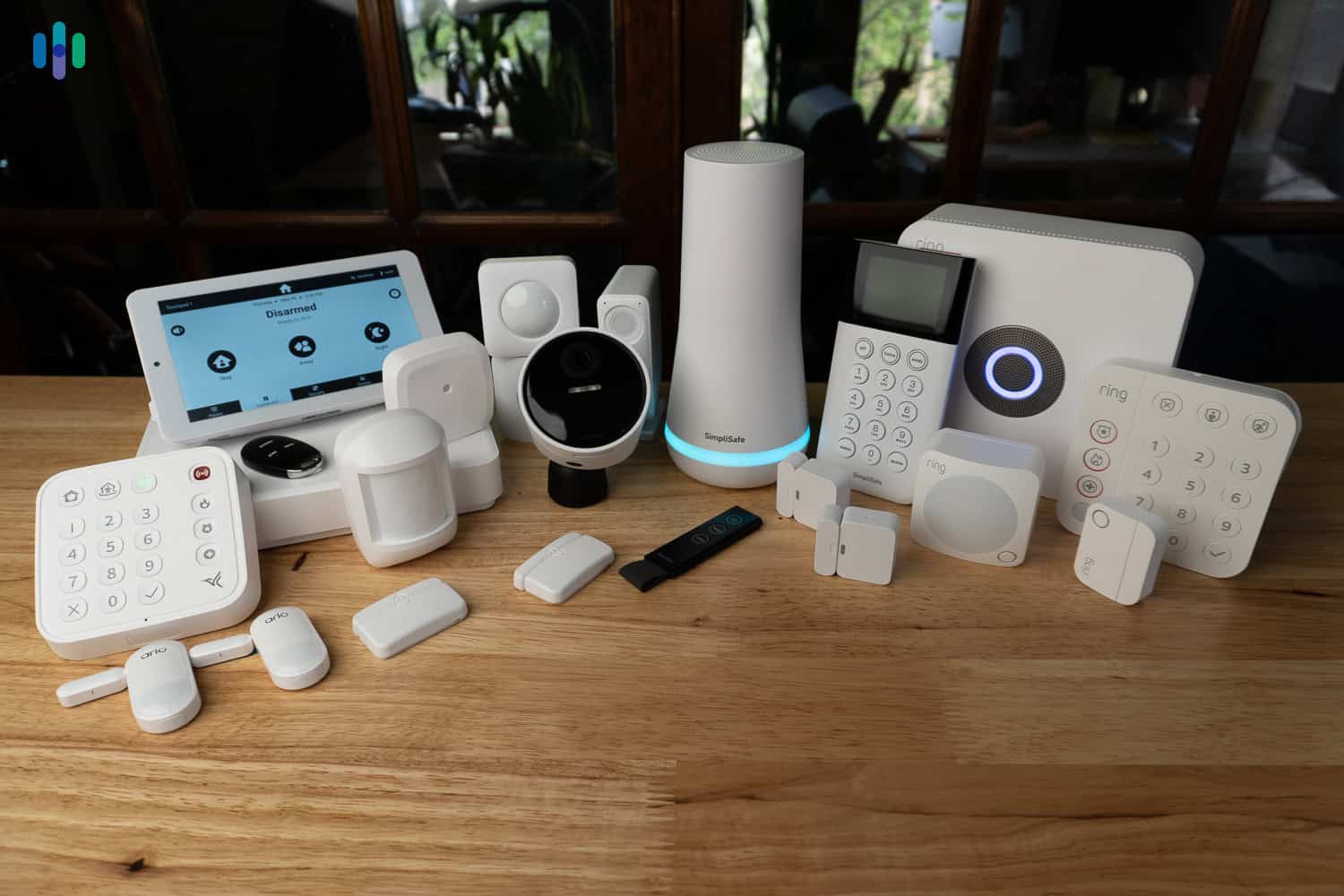
- Automated security and surveillance
- Energy monitoring and optimization
- App-based remote control of household systems
Rather than operating as isolated features, modern smart homes function as connected ecosystems designed to improve comfort and efficiency.
Energy Efficiency and Sustainability
One of the most significant impacts of smart living is energy optimization. Smart thermostats learn user behavior and adjust temperatures automatically, while intelligent lighting systems reduce unnecessary power usage.
Key benefits include:
- Lower utility bills
- Reduced carbon footprint
- Real-time energy usage insights
- Automated power-saving modes
As energy costs rise globally, smart systems are becoming an essential component of sustainable living.
Enhanced Security and Peace of Mind
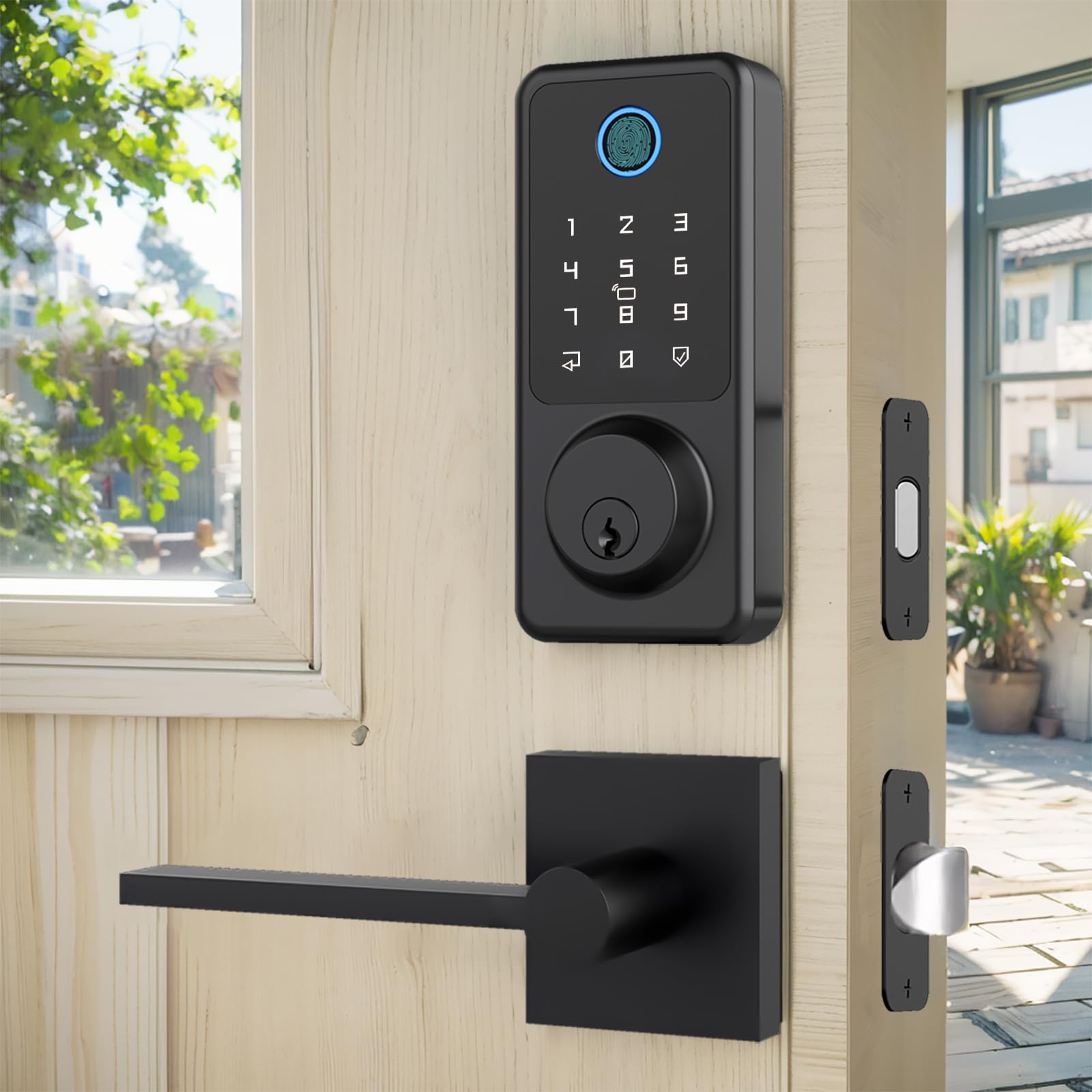
Home security has evolved far beyond traditional locks and alarms. Smart homes now feature:
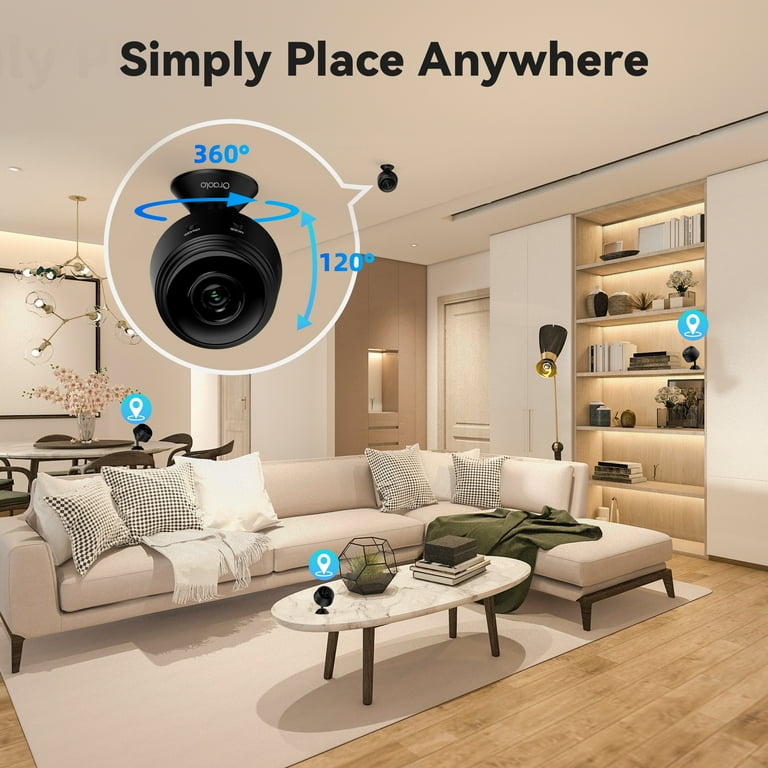
- AI-powered surveillance cameras
- Motion detection with instant alerts
- Remote door access and monitoring
- Integrated emergency response systems
These technologies provide homeowners with real-time visibility and control, regardless of location.
Personalization Through Artificial Intelligence
Artificial intelligence allows smart homes to adapt to individual lifestyles. From adjusting lighting based on time of day to curating music and temperature preferences, AI transforms houses into responsive living spaces.
Over time, these systems learn patterns and anticipate needs—creating an environment that feels intuitive rather than mechanical.
The Road Ahead
As connectivity improves and technology becomes more affordable, smart living will move from luxury to standard. Future homes will likely feature:
- Fully integrated AI home management
- Predictive maintenance systems
- Deeper integration with smart cities
- Enhanced data-driven personalization
Smart living is not about technology for its own sake—it is about improving quality of life through intelligent design.
Final Thoughts
The transformation of modern homes reflects a broader shift toward connected, efficient, and human-centered living. As smart technology continues to mature, the homes of tomorrow will not just shelter us—they will actively support and enhance how we live.