

How Smart Homes Are Increasing Property Value in Thailand (2026 Outlook)

Introduction
Thailand’s real estate market is undergoing a structural shift. In 2026, smart home integration is no longer viewed as a luxury feature—it is increasingly perceived as a value driver, particularly in urban condominiums, resort properties, and high-end residential developments.
From Bangkok to Phuket and Chiang Mai, technology-enabled homes are commanding higher prices, stronger rental demand, and faster absorption rates.
Why Smart Homes Appeal to Thai and Foreign Buyers
Buyer expectations in Thailand have evolved significantly, especially among:
- Foreign investors purchasing condominiums
- Thai professionals in urban centers
- Digital nomads and long-term expatriates
- High-income retirees
Smart homes offer:
- Remote control of lighting, air conditioning, and security
- Reduced electricity consumption in a hot climate
- Enhanced safety for vacant or seasonal-use properties
- Compatibility with short-term and long-term rentals
In a country where many properties are owned but not permanently occupied, remote access is a decisive advantage.

Impact on Property Prices and Marketability
In Thailand’s competitive condominium market, smart features help listings stand out. Developers and agents report that smart-enabled units:
- Sell faster in new project launches
- Achieve higher resale prices per square meter
- Attract international buyers with minimal negotiation
- Perform better on digital listing platforms
In prime areas of Bangkok and resort destinations, smart homes are increasingly positioned as standard in mid-to-high-end developments, not optional upgrades.
Rental Yield and Smart Living in Thailand
Thailand’s rental market—particularly in Bangkok, Phuket, and Pattaya—benefits directly from smart home adoption.
For landlords, smart technology enables:
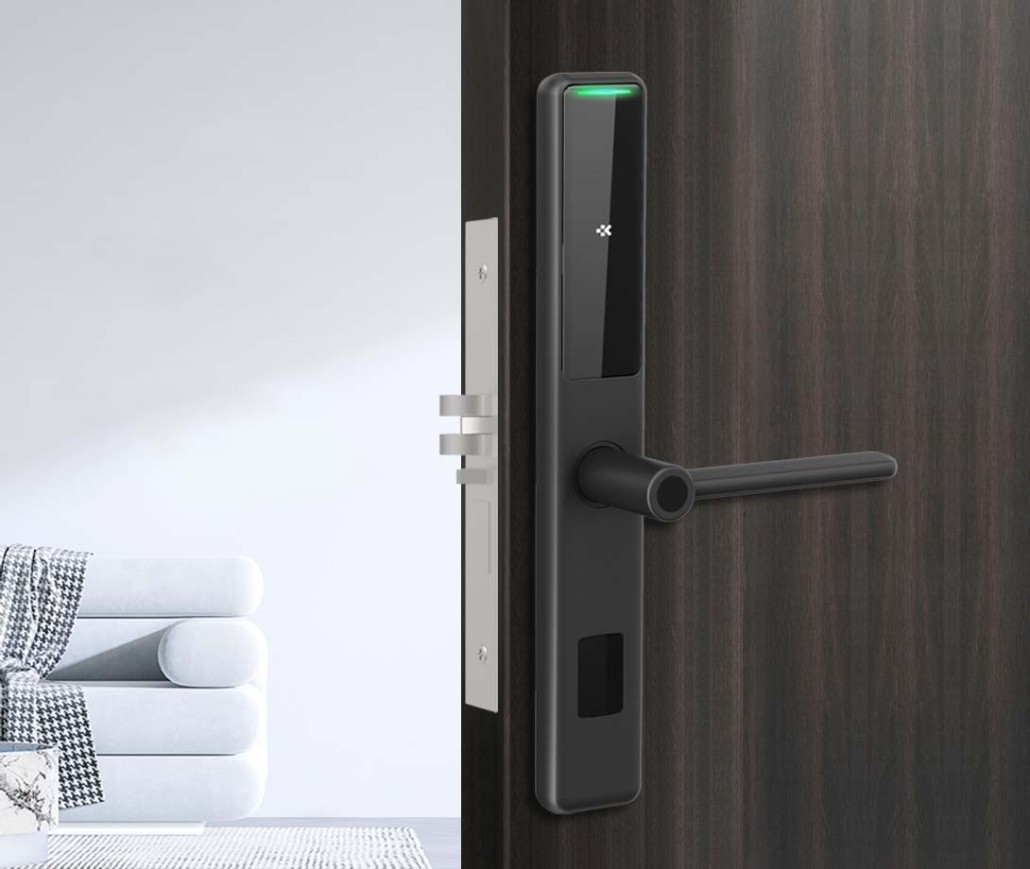
- Remote check-in using smart locks
- Lower management costs
- Faster tenant turnover
- Premium pricing for furnished, tech-ready units
Tenants, especially expatriates, actively seek properties with smart air conditioning, keyless entry, and security systems, making these units easier to lease year-round.


Energy Efficiency in a Tropical Climate
Thailand’s climate makes energy efficiency a financial priority. Smart homes address this by:
- Optimizing air-conditioning usage
- Preventing electricity waste in vacant units
- Providing real-time consumption data
- Supporting greener building certifications
As electricity costs rise and sustainability awareness grows, energy-efficient smart homes are increasingly viewed as future-proof investments.
Developer Strategy in Thailand
Forward-looking Thai developers are now integrating smart infrastructure at the design stage to:
- Reduce long-term maintenance costs
- Increase foreign buyer appeal
- Align with smart-city initiatives
- Strengthen brand positioning
Projects that fail to adapt risk becoming outdated more quickly in a market where buyers are comparing properties globally.
Legal and Ownership Context
While smart technology does not alter Thailand’s property ownership laws, it enhances the attractiveness of condominium units, which remain the primary option for foreign buyers under Thai law.
Smart readiness adds value without introducing regulatory complexity—making it an ideal upgrade path for developers and investors alike.
Final Thoughts
In Thailand’s evolving real estate landscape, smart homes are no longer a trend—they are a market expectation. Properties that integrate technology benefit from stronger demand, better pricing power, and higher long-term resilience.
For buyers, smart homes offer comfort and control.
For investors, they deliver performance and protection.
For developers, they define competitiveness in 2026 and beyond.
Leave a Comment